Tokenization Revolution: How Real-World Asset Payments Are Transforming B2B Commerce in 2026
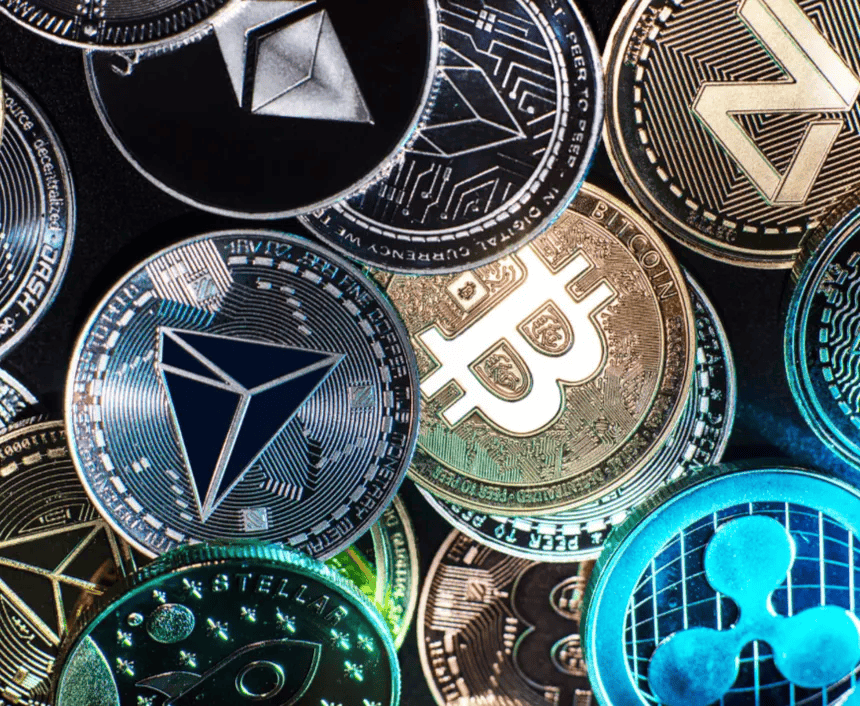
The financial infrastructure underpinning business-to-business commerce is experiencing its most significant transformation in decades. Real-world asset tokenization?The process of creating digital representations of physical and financial assets on blockchain networks.has moved decisively from experimental pilots to production-scale deployment. For businesses engaged in B2B commerce, this shift represents both an opportunity and an imperative to modernize payment and settlement infrastructure.
Understanding the Tokenization Tipping Point
2026 marks a defining moment as tokenization transitions from experimental applications to the foundations of new digital financial market infrastructure, with traditional financial institutions leading the charge. Major players, including BlackRock, Franklin Templeton, and JPMorgan, have launched tokenized funds, while institutions like JPMorgan have issued deposit tokens on public blockchains, and Citi has integrated token services with 24/7 clearing for real-time cross-border payments.
What changed? Three critical developments converged simultaneously. Regulatory frameworks like the GENIUS Act and the Clarity Act provided legal certainty for tokenized assets. Technology matured to offer institutional-grade security, compliance, and performance. And perhaps most importantly, the business case became irrefutable? tokenization delivers measurable cost savings, efficiency gains, and new capabilities that legacy systems simply cannot match.
For B2B commerce specifically, tokenization solves long-standing friction points that have plagued business payments for generations. Settlement delays that tie up working capital. Complex reconciliation processes that consume administrative resources. Limited operating hours that restrict when transactions can occur. Opaque payment tracking that obscures cash flow visibility. Tokenization addresses all of these simultaneously.
The Mechanics of Tokenized B2B Payments
At its core, tokenization creates blockchain-based digital representations of assets. whether that's company invoices, trade finance instruments, treasury securities, or payment obligations. These tokens carry embedded rules governing ownership, transferability, compliance requirements, and settlement logic. The result is programmable money and programmable assets that execute complex business logic automatically.
Consider a traditional B2B payment scenario. A manufacturer invoices a distributor for goods delivered. The distributor initiates payment through their bank, which routes the transfer through correspondent banking networks. Settlement takes three to five business days. Reconciliation requires matching invoice numbers, amounts, and payment references across separate systems. If there's a discrepancy, investigation and resolution add further delays.
The tokenized equivalent transforms this entirely. The invoice itself becomes a tokenized asset with payment obligations embedded directly. When the distributor approves payment, a smart contract executes automatically, transferring tokenized dollars (stablecoins) from the distributor's wallet to the manufacturer's wallet. Settlement is nearly instantaneous. Reconciliation happens automatically because the payment and invoice are cryptographically linked. Discrepancies are resolved immediately through transparent, auditable blockchain records.
The efficiency gains compound across thousands of transactions. Working capital velocity increases dramatically when settlement happens in minutes rather than days. Administrative costs decrease when reconciliation is automatic rather than manual. Cash flow visibility improves when all payment activity exists on a transparent, real-time ledger accessible to authorized parties.
24/7 Liquidity and Always-On Commerce
One of the most transformative aspects of tokenized B2B payments is the elimination of banking hours as a constraint on commerce. Traditional payment systems operate during business hours in specific time zones. International payments face even more complexity, with transfers potentially waiting through multiple weekends and holidays across different jurisdictions.
The shift toward 24/7 blockchain-based trading and settlement is gaining institutional momentum, with the New York Stock Exchange unveiling plans for around-the-clock blockchain trading of tokenized stocks. For businesses, this means payment and settlement infrastructure that operates continuously, enabling commerce to happen whenever it makes business sense rather than whenever banks are open.
A manufacturer in Asia can receive payment from a European customer at 2 AM on Sunday, immediately deploying those funds to pay a South American supplier, all settling within minutes with complete transparency and cryptographic security. This always-on liquidity fundamentally changes treasury management, supply chain finance, and working capital optimization.
Programmable Payments and Smart Contract Automation
Beyond speed and availability, tokenization enables entirely new payment capabilities through smart contract automation. Payment logic that previously required complex backend systems and manual oversight can now be embedded directly into the payment instruments themselves.
Conditional payments execute automatically when predetermined criteria are met? verified delivery triggers payment release, milestone completion activates staged payments, performance metrics determine variable compensation. Multi-party payments split funds automatically among multiple recipients according to predefined formulas. Recurring payments execute on schedule without manual processing. Compliance checks happen automatically before transactions complete.
This programmability reduces administrative overhead while increasing accuracy and transparency. A complex supply chain payment involving multiple parties, conditional releases based on logistics verification, and automated currency conversion can be executed entirely through smart contracts?no manual intervention required beyond initial setup and approval thresholds.
Integration with Traditional Finance Infrastructure
A common misconception is that tokenization requires abandoning existing financial systems entirely. The reality is more nuanced and practical. Major institutions are developing permissioned environments that prioritize regulatory compliance and data privacy, with features like transaction reversibility and seamless legacy integration essential for managing vast volumes.
Modern tokenization platforms bridge traditional and blockchain-based infrastructure. Businesses can tokenize payments while maintaining compatibility with existing enterprise resource planning systems, accounting platforms, and banking relationships. The blockchain layer provides the efficiency and programmability benefits, while APIs and integration tools ensure smooth interoperation with legacy systems.
This hybrid approach enables gradual adoption rather than requiring complete infrastructure replacement. Start with tokenizing specific payment flows? international transfers, high-volume vendor payments, or trade finance instruments?while maintaining traditional processes for everything else. As comfort and capability grow, expand tokenization to additional business processes.
Real-World Asset Collateral and Liquidity
Beyond direct payments, tokenization enables sophisticated treasury and financing strategies previously accessible only to the largest enterprises. Tokenized assets like U.S. Treasury bonds can serve as collateral with automated interest payments and token management through smart contracts, while instant settlement times streamline inefficient traditional systems.
Businesses can tokenize receivables, creating tradable instruments that unlock working capital before invoices are paid. Inventory can be tokenized for use as collateral in financing arrangements. Real estate holdings, equipment, and other assets become liquid through fractional tokenization, enabling creative financing and treasury strategies.
The result is improved capital efficiency. Assets that previously sat idle on balance sheets can now generate returns or serve as collateral for favourable financing. Working capital that was tied up waiting for payment settlements can be unlocked through tokenized receivables markets.
Regulatory Compliance and Embedded Governance
One significant advantage of tokenized B2B payment systems is built-in compliance capabilities. Compliance, risk controls, and transfer restrictions can be embedded directly into smart contracts, creating what's called "programmable trust" where regulatory requirements are automatically enforced.
Know-your-customer requirements, anti-money-laundering checks, sanctions screening, tax withholding, and reporting obligations can all be programmed into payment tokens and smart contracts. Rather than separate compliance processes happening alongside payment processing, compliance becomes inherent to the payment infrastructure itself.
This reduces compliance costs while improving effectiveness. Automated compliance checking happens at transaction speed without manual review bottlenecks. Complete audit trails exist on transparent blockchains, simplifying regulatory reporting and examination. And the programmable nature means compliance rules can be updated systematically across all relevant payment instruments when regulations change.
Cross-Border B2B Commerce Transformation
International business payments represent perhaps the most compelling use case for tokenization. Stablecoins are graduating from pilots into enterprise plumbing for treasury workflows, cross-border settlement, and programmable B2B payments in 2026.
Traditional cross-border B2B payments involve multiple correspondent banks, currency conversions with hidden spreads, multi-day settlement periods, and significant fees. Tokenized payments bypass these intermediaries entirely. A business in Germany can pay a supplier in Brazil using stablecoin payments that settle in minutes with transparent fees and real exchange rates.
For businesses with significant international commerce, the cost savings alone justify tokenization adoption. But the strategic benefits? faster inventory replenishment, improved supplier relationships through reliable fast payment, and enhanced cash flow predictability? Compound the value.
Getting Started with Tokenized B2B Payments
The infrastructure for businesses to adopt tokenized payments exists today and continues improving rapidly. Crypto payment gateways now offer comprehensive support for tokenized asset payments alongside traditional cryptocurrency transactions.
Begin by identifying high-value payment flows where tokenization delivers immediate benefits. International vendor payments with long settlement times and high fees are obvious candidates. High-volume, low-margin transactions where processing costs matter significantly benefit from tokenization's efficiency. Complex multi-party payments requiring automated splitting and conditional logic are ideal for smart contract automation.
Work with payment infrastructure providers that understand both traditional business requirements and tokenization capabilities. The right partner should offer seamless integration with existing systems, comprehensive compliance tools, support for both permissioned and public blockchain deployments, and transparent pricing that demonstrates clear ROI.
The Competitive Imperative
As tokenization moves from experimental to mainstream in 2026, businesses face a strategic decision point. Early adopters are building operational capabilities and competitive advantages that will compound over time. They're establishing relationships with cutting-edge infrastructure providers, developing internal expertise in tokenized payment systems, and creating streamlined processes that reduce costs while improving service levels.
Waiting for complete maturity means entering markets where competitors have already optimized their payment infrastructure around tokenization. The learning curve and integration challenges don't decrease by waiting; they just mean you're climbing that curve from a position of competitive disadvantage rather than competitive advantage.
The Future of B2B Commerce Infrastructure
Standard Chartered's CEO has stated that we'll eventually see the majority of transactions being settled on blockchain, reflecting the mainstream trajectory of tokenization. The question isn't whether tokenization will transform B2B commerce infrastructure. the transformation is already underway with accelerating momentum.
Businesses that recognize this inflection point and act decisively to modernize their payment infrastructure position themselves for success in an increasingly tokenized commercial landscape. The technology is ready, the regulatory frameworks are clarifying, the business case is proven, and the infrastructure exists to support adoption at any scale.
The tokenization revolution in B2B commerce isn't coming? It's here. The businesses that thrive will be those that embrace programmable payments, always-on liquidity, automated settlement, and the efficiency gains that tokenized infrastructure enables. Welcome to the future of business-to-business commerce, where payments are as programmable and efficient as any other digital technology.
Ready to explore how tokenized payment infrastructure can transform your B2B operations? The opportunity to lead rather than follow is available right now, in 2026, as tokenization transitions from emerging technology to fundamental infrastructure. The question is whether your business will be shaping that future or adapting to it after competitors have already captured the advantages.
